
IEEE Joseph F. Keithley Award
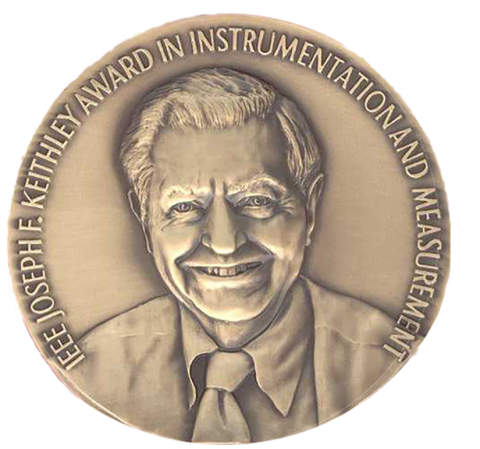
The IEEE Joseph F. Keithley Award in Instrumentation & Measurement* is presented for outstanding contributions in electrical measurements. It was established in 2001 and was presented for the first time in 2004. It is awarded by the IEEE.
The award recipient is invited to receive the award and deliver a keynote address at the annual International Instrumentation and Measurement Technology Conference (I2MTC) or one of the I&M Society jointly co-sponsored conferences.
*The IEEE Joseph F. Keithley Award in Instrumentation & Measurement is Financially Co-Sponsored by the IEEE Instrumentation & Measurement Society and by Keithley Instruments, Incorporated.
2026

For pioneering contributions to fast raster-based measurement systems for scientific instrumentation, automotive, and industrial applications.
2025
For contributions to the field of pollution measurement and leadership in environmental sensing and emissions abatement.
2024

For contributions to photonics-based optical frequency and wavelength domain instrumentation and measurement.
2023
For low-uncertainty measurement of Planck’s constant of fundamental importance to the redefinition of the International System of Units (SI).
2022
For the development and commercialization of nonlinear system identification techniques in instrumentation and measurement applications.
2021
For contributions to RF microprobing measurement techniques enabling accurate on-wafer circuit testing.
2020

For contributions to measurement fundamentals and signal processing techniques in instrumentation and measurement.
2019
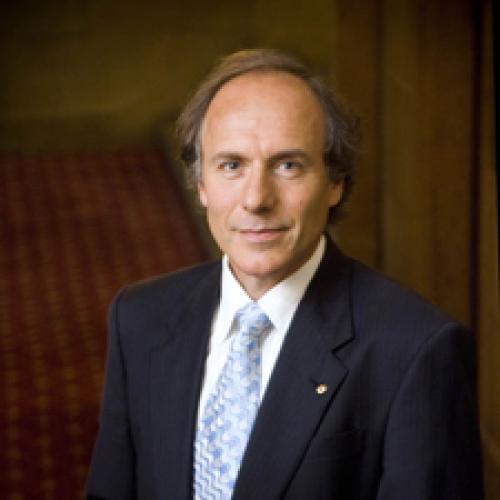
For contributions to high-speed, accurate measurement of electrical transmission in the brain and other biological cells.
2018
For leadership in time determination and precise timing instruments.
2017
For contributions to test procedures for analog-to-digital and digital-to-analog converters and to enhanced-accuracy gamma-ray spectrometry.
2016

For creating and disseminating quantum-based superconducting voltage standards that form the basis for worldwide precision voltage measurements.
2015
For pioneering contributions to efficient modulated probe array technology for fast electromagnetic near-field techniques and microwave imagery.
2014
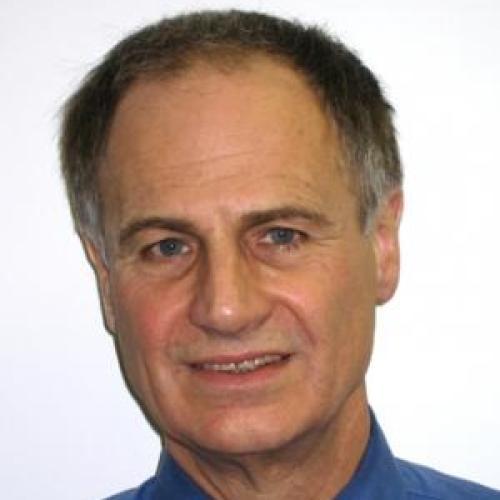
For pioneering charge-mode analog-to-digital converters and for developing IEEE-standard converter terminology and test methods.
2013
For the development of traceable mismatch-corrected microwave-scattering parameters and temporal waveform calibration and measurement.
2012
For the development of innovative system identification methods for measurement applications.
2011
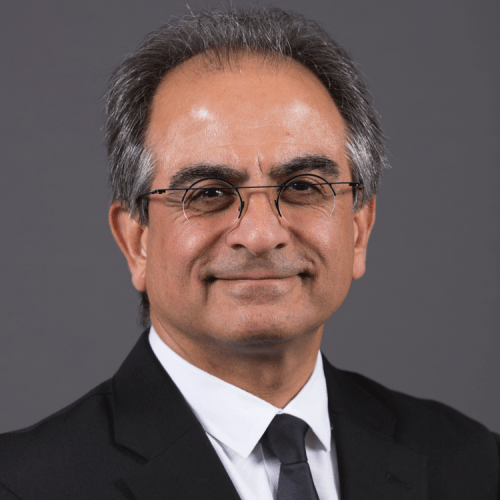
For contributions to microwave and millimeter wave measurement techniques for nondestructive testing and evaluation.
2010
No Award Given
2009

For pioneering experiments and techniques in the field of fundamental electrical metrology leading to the realization of SI units.
2008
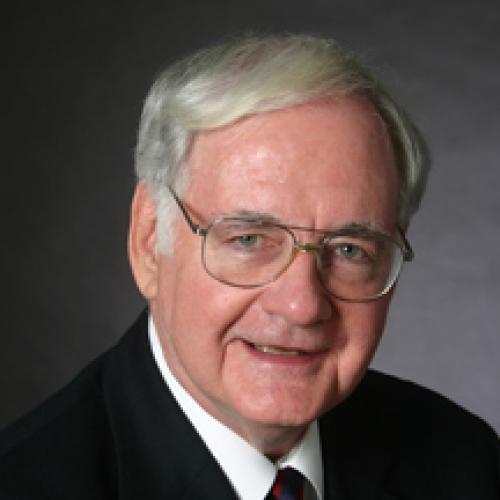
For pioneering developments in automated measurements.
2007
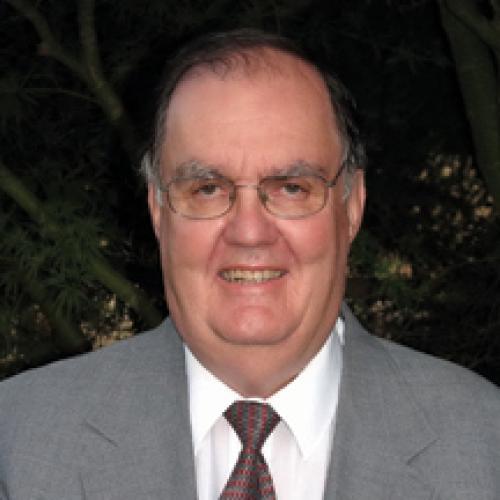
For seminal technical and leadership contributions to microwave network analyzer technology.
2006

For advancing the measurement of electrical quantities in electric power systems under non-sinusodial conditions.
2005

For making the dc Josephson array voltage standard a practical reality.
2004
For fundamental contributions to electrical measurements, with particular emphasis on the development of impedance bridges and standards, and the application of microprocessors to impedance measurement science.
2003
No Award Given